

Tour Sillar Route and Culebrillas
DESCRIPTION
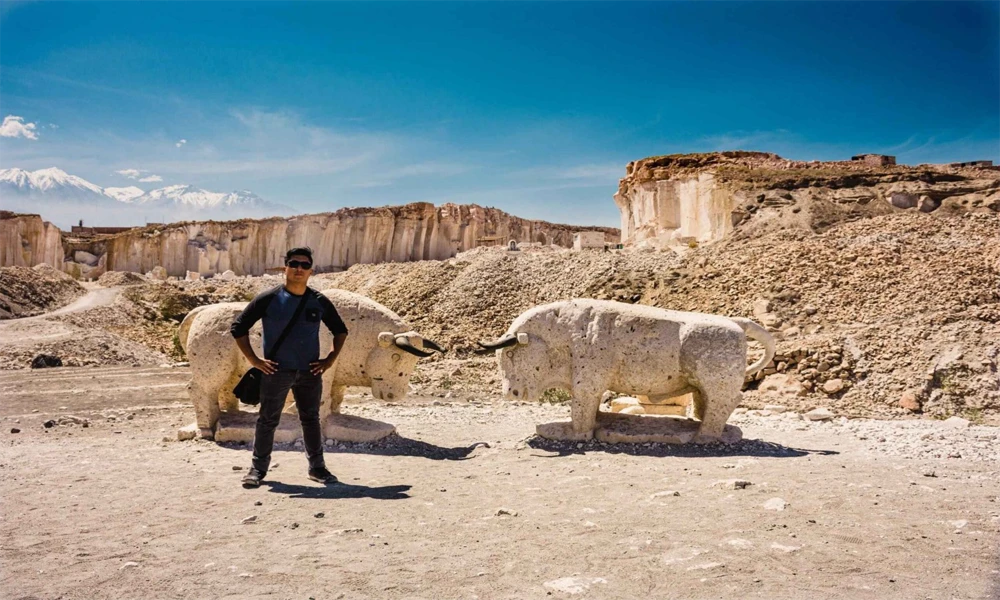
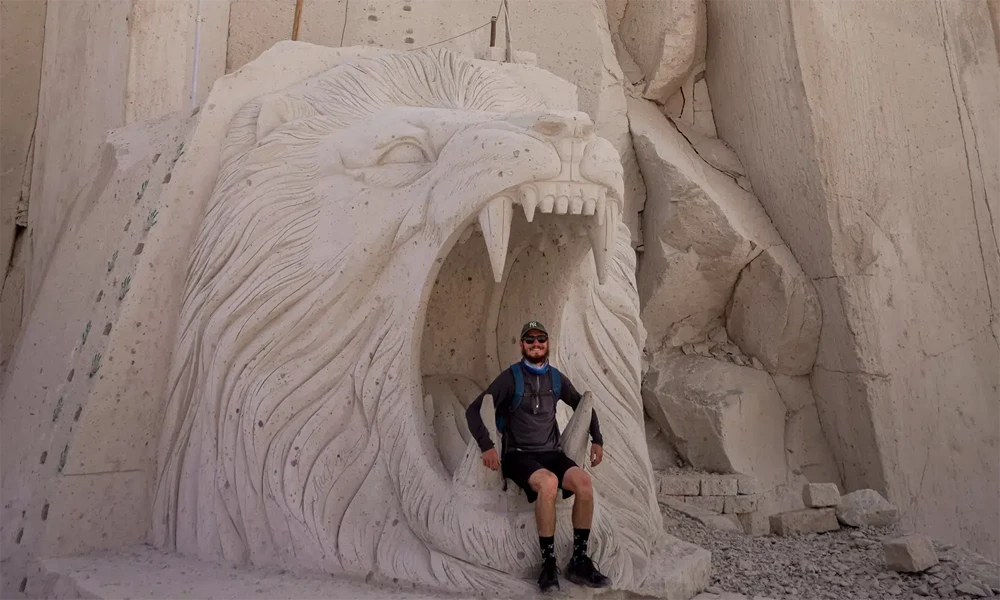
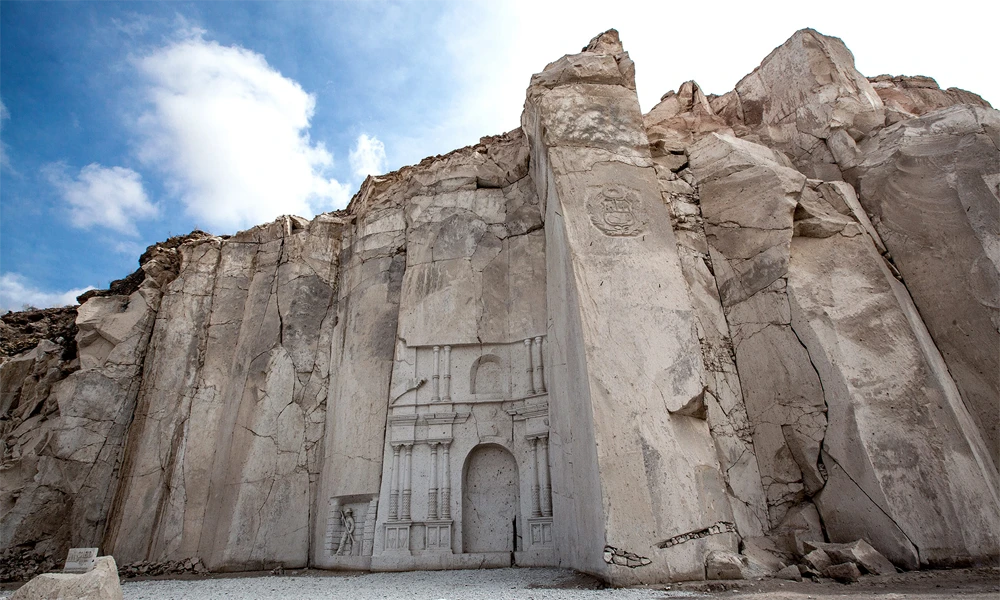
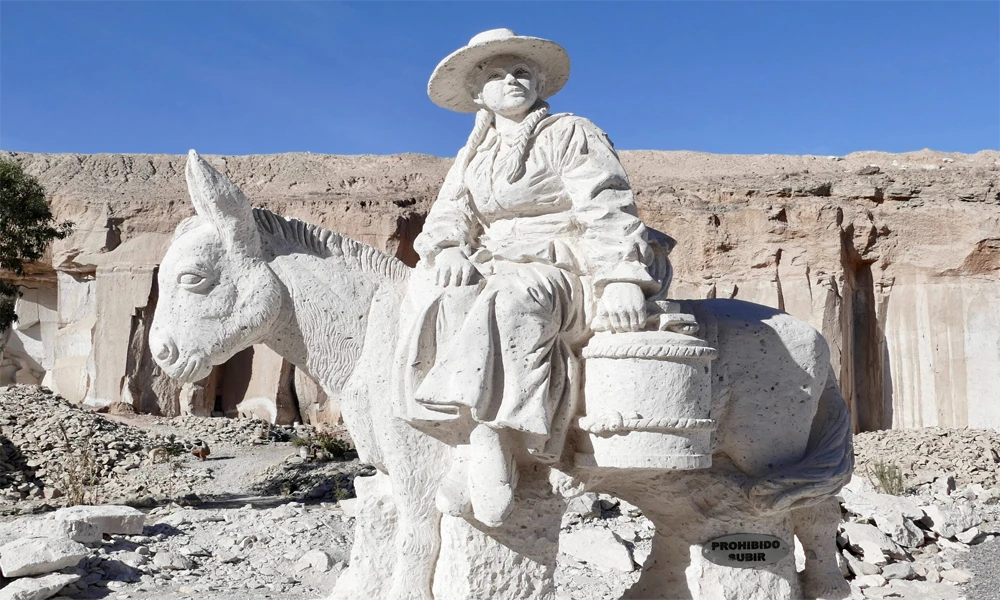
Sillar Route and Culebrillas in Arequipa, one of the most authentic tours of the White City, where history, art, and nature combine in a single journey. This experience takes you to the sillar quarries, the volcanic stone (ignimbrite) that gives identity to Arequipa’s colonial architecture and has been used for centuries in the construction of temples, mansions, and emblematic monuments. During the Arequipa Sillar Route tour, you will be able to observe live the work of the master stonemasons, who carve this stone with traditional techniques passed down from generation to generation, revealing the effort and dedication behind each sculpture.
Throughout the tour, visitors have the opportunity to interact with local artisans and purchase volcanic stone crafts, unique pieces that reflect the living culture and historical legacy of Arequipa. This direct contact with the artisanal process turns the Sillar Route into an enriching cultural experience, ideal for those seeking to know the real origin of the city’s architecture and take home an authentic souvenir.
Culebrillas Canyon
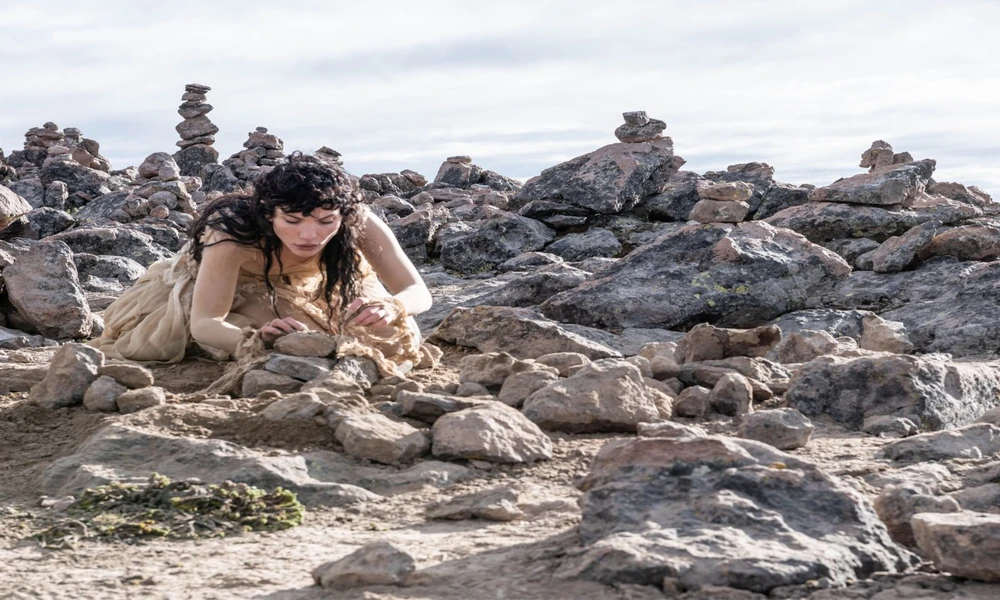
The tour continues to the impressive Culebrillas Canyon, a natural attraction formed by wind and water erosion over thousands of years. This place stands out for its undulating walls, rock formations, and reddish tones that create a unique landscape in the region. During the guided walk, it is possible to explore the canyon, take panoramic photographs, and observe petroglyphs that evidence the presence of ancient cultures in the area.
The combination of the Añashuayco quarries with the Culebrillas Canyon makes this tour one of the best cultural and nature tourism options in Arequipa, ideal for those seeking a different experience outside the historic center. Available in morning and afternoon shifts, the Sillar Route and Culebrillas tour is perfect for travelers who wish to discover volcanic landscapes, learn about artisanal tradition, and enjoy one of the most representative attractions of southern Peru.
ITINERARY
Itinerary
Day 1 – Sillar Route in Arequipa
Hotel pick-up and departure (8:30 – 9:00 a.m.)
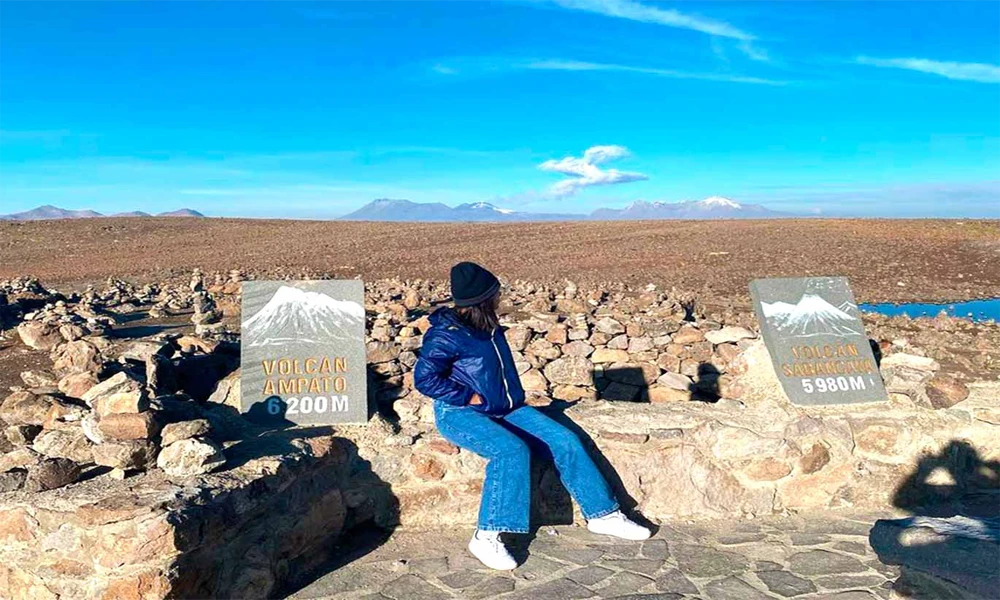
Start of the Sillar Route Tour in Arequipa with pick-up from central hotels. Departure toward the quarries while enjoying views of the Misti, Chachani, and Pichu Pichu volcanoes.
Añashuayco Quarry (Sillar Route)
Visit the main sillar quarry, where master stonemasons work this volcanic stone. Learn about the artisanal process and observe impressive sculptures carved in sillar.
Free time for photography
Enjoy free time to take photos on the Arequipa Sillar Route and appreciate the artisanal work. Optional: purchase of souvenirs made of volcanic stone.
Transfer to Culebrillas Canyon
Travel toward the Culebrillas Canyon, crossing volcanic landscapes and desert areas characteristic of Arequipa.
Hike in Culebrillas Canyon
Guided walk of approximately 40 minutes through the canyon. Explore rock formations, undulating walls, and a unique natural environment ideal for photographs.
Stop at artisanal workshops
Brief visit to sillar workshops in Añashuayco to learn more about the work of local artisans.
Return to the city of Arequipa
Return with views of the Añashuayco valley and volcanic landscapes.
Arrival and end of the tour (approx. 1:00 p.m.)
Arrival at the historic center of Arequipa and end of the Sillar Route and Culebrillas tour, an essential cultural and natural experience.
INCLUDES
¿What does the Tour include?
Tourist transport and logistics
ncludes round-trip tourist transport in Arequipa, with pick-up from central hotels and return to the starting point in the historic center.
Professional tour guide
The Arequipa Sillar Route tour has a bilingual guide (Spanish and English), who provides information about sillar, the work of the stonemasons, and the cultural and geological history of the area.
Assistance and safety during the tour
The service includes permanent assistance from the guide, supervision during the walk in the Culebrillas Canyon, and a first aid kit for greater safety.
NOT INCLUDES
¿ What is not included ?
Entrance fees to tourist attractions (direct payment)
The Sillar Route tour in Arequipa does not include entry to some attractions, which are paid directly at the destination:
Añashuayco Quarry: S/ 10.00
Culebrillas Canyon: S/ 5.00
Food and drinks
Breakfast, lunch, snacks, and drinks are not included during the Sillar Route and Culebrillas tour.
Personal expenses and additional services
The tour does not include tips, souvenirs, personal purchases, medical insurance, or transfers outside the historic center of Arequipa. It also does not cover services not mentioned in the itinerary.
RECOMMENDATIONS
Recommendations
Clothing and accessories for the Sillar Route in Arequipa
Wear light and comfortable clothing, as well as a windbreaker jacket. Carry non-slip sneakers, a hat, sunglasses, and sunscreen. A scarf or handkerchief is also recommended for the dust during the journey.
Food and hydration during the tour
Carry water or a hydrating drink, as the Sillar Route and Culebrillas tour takes place in open areas. It is recommended to have a light breakfast and carry energy snacks.
Equipment and personal objects
Do not forget your camera or cell phone with battery, power bank, small backpack or fanny pack, and cash in soles for entrance fees and purchases.
Safety and best practices
Always follow the tour guide’s instructions. Avoid touching the petroglyphs or rock formations, respect local artisans, and do not litter during the journey.
Tips to make the most of your experience
You can combine the Sillar Route in Arequipa with the City Tour or a visit to the Santa Catalina Monastery. Inquire about sillar carving workshops, take advantage of the best light in the afternoon for photographs, and enjoy local gastronomy at the end of the tour.
FAQ's
Frequently Asked Questionss
¿What is the Sillar Route and why visit it?
The Sillar Route in Arequipa is a journey through the traditional quarries where ignimbrite is extracted, the volcanic stone that gives rise to the “White City.” It is an essential visit to see the master stonemasons in action and admire mega-sculptures carved in sillar.
¿Where are the Sillar Route and the Culebrillas Canyon located?
They are located in the Cerro Colorado district, specifically in the Añashuayco area. The Culebrillas Canyon is a nearby natural attraction that complements the experience with its unique geological formations.
¿How long does the Sillar Route tour last?
The complete tour has a duration of approximately 4 to 5 hours, including transfers from the center of Arequipa, the guided tour of the quarries, and the hike through the canyon.
¿How much is the entrance fee to the Sillar and Culebrillas quarries?
The entrance cost is S/10.00 for the Añashuayco Quarry and S/5.00 for the Culebrillas Canyon (prices subject to change). Payments are made in cash directly at the site.
¿How demanding is the hike on the tour?
The walk is low intensity. Short walks of about 20 to 40 minutes in total are performed over irregular but accessible terrain. It is suitable for most people with average physical condition.
¿Is it suitable for children or people with reduced mobility?
It is an excellent family tour for children. However, due to the sand and stone terrain in the quarries, it is not recommended for people with reduced mobility or those who require a wheelchair.
¿Are there basic services during the tour?
At the Añashuayco quarry, there are basic hygienic services and small stands for snacks or crafts. At Culebrillas Canyon, services are very limited, so it is recommended to come prepared.
¿What is the best time to visit the Sillar Route?
The best season is from April to December (dry season), when the sky is clear and the sun highlights the white of the sillar. During the rainy season (January to March), access to the canyon may be restricted.
¿Can I visit the Sillar Route on my own or with a tour?
Although you can reach Añashuayco by taxi, Culebrillas Canyon is difficult to find without a guide. It is recommended to hire an organized tour to guarantee safe transportation, access to all points, and historical explanation.