



Cañon de los Perdidos Tour | Ocucaje Desert – Ica
DESCRIPTION
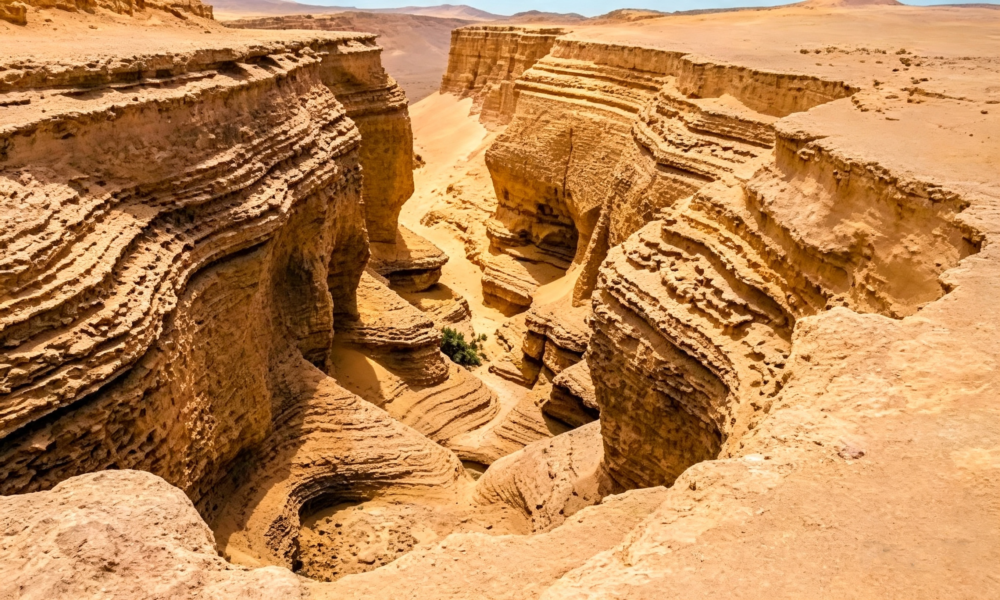
The Cañón de los Perdidos is one of the most striking and enigmatic geological formations in Peru’s coastal desert. With a depth of approximately 400 meters and a length of several kilometers, this natural monument—sculpted by wind erosion and the Seco River—offers a fascinating experience for those seeking adventure, hiking, and remote landscapes off the beaten path in Ica.
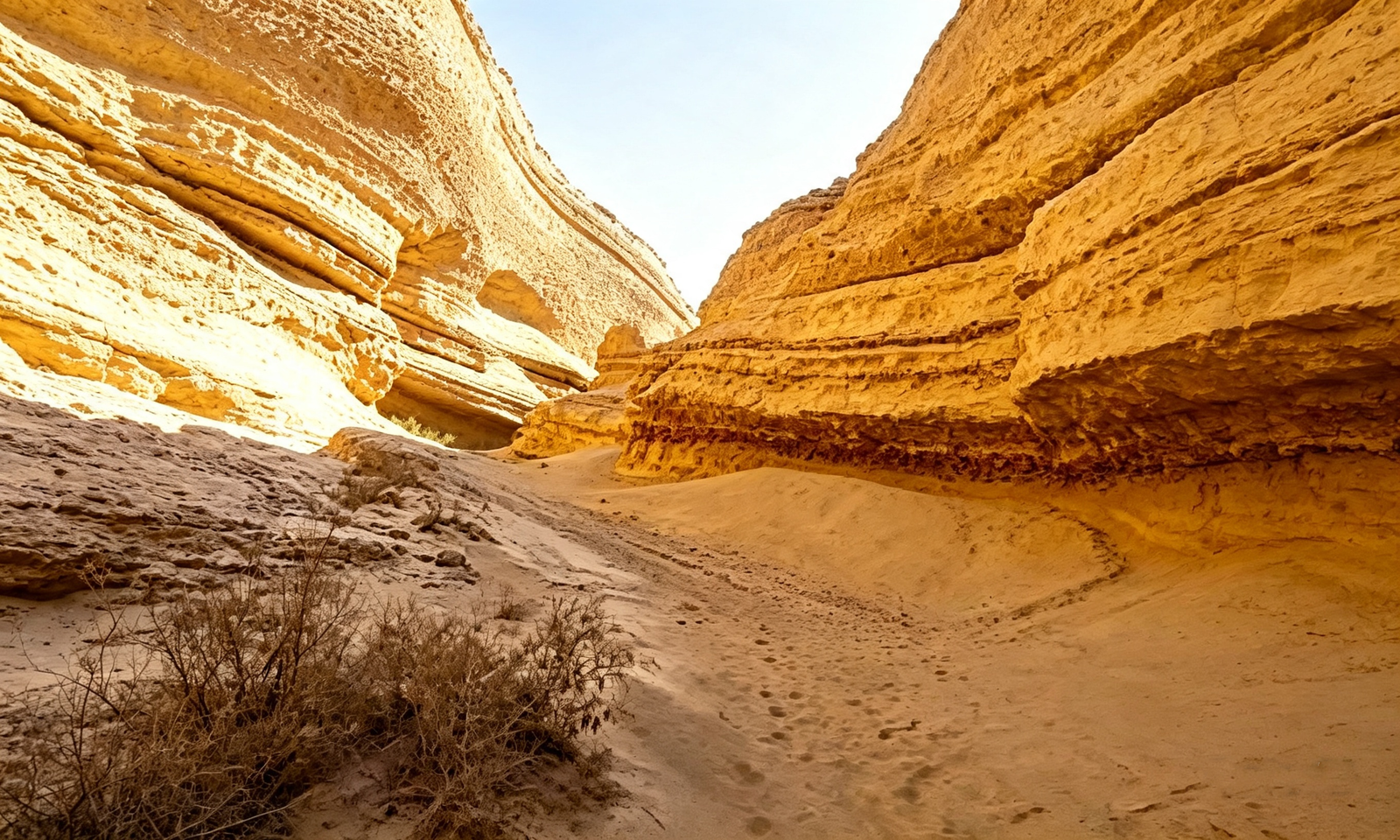
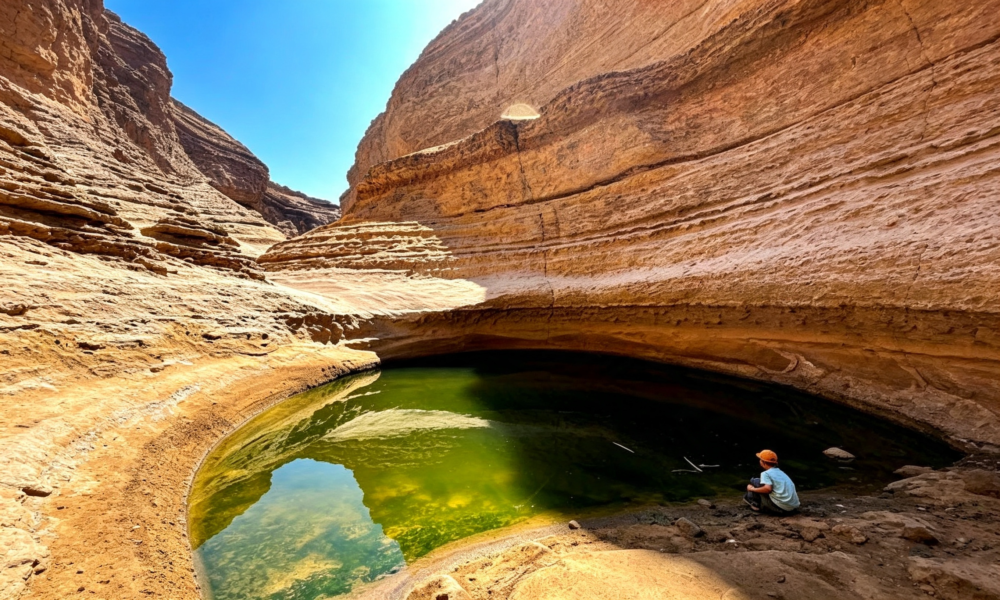
During the expedition, visitors traverse an arid landscape of reddish and ochre hues divided into distinct levels and terraces. Along the canyon, imposing rocky gorges, ancient marine fossils, and natural lagoons that emerge at the bottom of the abyss stand out, creating a striking visual contrast between the water and the vastness of the desert.
Exploring the Cañón de los Perdidos on a tour from Ica is a perfect opportunity for lovers of hiking, nature photography, and adventure tourism. Its silent atmosphere, paleontological significance, and imposing landscape make it a must-see destination for discovering the wildest and most untamed side of the Peruvian coast.
ITINERARY
Itinerary
Pickup in Ica (approx. 6:30–7:00 a.m.)
The tour begins with a punctual pickup from your hotel or an agreed-upon location in Ica. During this first leg of the journey, the guide will share essential safety recommendations and general information about the route to the Cañón de los Perdidos.
Departure via the Pan-American Highway South
Travel along the Pan-American Highway South toward the southern part of the region, enjoying the characteristic landscape of the Ica countryside and desert as we approach the main turnoff.
Rest stop for restroom breaks and shopping
A brief stop along the way to use the restrooms and stock up on bottled water, sports drinks, or snacks—essential before venturing into the desert area where there are no stores.
Entry into the Ocucaje Desert (off-road route)
A tour in a tourist vehicle along an unpaved route through the Ocucaje Desert, taking in arid plains, rugged hills, and rock formations that signal our approach to the Grand Canyon.
Arrival at the Gorge and the Cañón de los Perdidos Viewpoint
Arrive at the upper rim of the canyon to take in its impressive depth of nearly 400 meters and its layered walls, and receive safety instructions before beginning the descent and the guided hike.
Hiking and tour through the canyon’s levels
Explore on foot the canyon floor and terraces, visiting natural attractions such as Plaza Caracol, the Gorge, the Face of the Puma, and the greenish-water lagoons, with explanations about their origin and marine fossil remains.
Visit to the traditional Plaza de Ocucaje
Departure from the desert to visit the main square in Ocucaje, learning about aspects of the local culture, the valley’s winemaking history, and the area’s paleontological significance.
Optional Stop at the Paleontological Museum
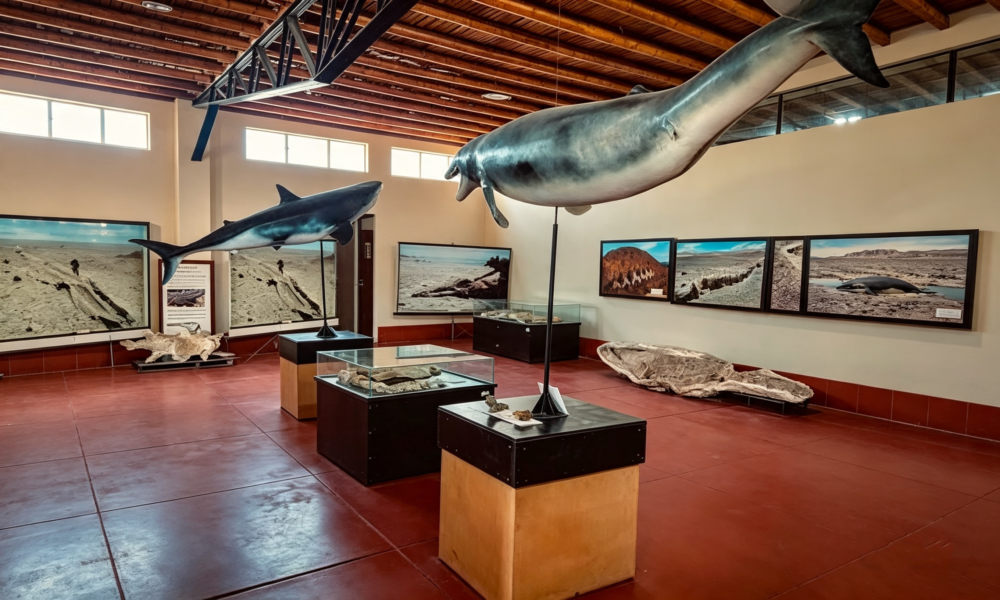
Optional visit to the Ocucaje Paleontological Museum to see original specimens up close, such as megalodon teeth, prehistoric whale fossils, and marine remains from the ancient Ica Sea.
Return and end of the tour in Ica (approx. 3:00–4:00 p.m.)
We begin the return trip to the city of Ica to drop off passengers at their respective hotels or at the Plaza de Armas, bringing to a close a day of hiking, geology, and unforgettable scenery.
INCLUDED
What’s included?
Tourist transportation throughout the entire tour
Authorized tourist vehicles equipped for both paved roads and unpaved desert trails, ensuring comfort, safety, and punctual round-trip transfers from Ica.
Official Tour Guide in Spanish
Professional and constant guidance from a certified guide who will explain the geological processes, paleontological history, and iconic landmarks of the Cañón de los Perdidos.
Personalized Attention and Traveler Assistance
Continuous support and personalized guidance throughout the excursion to answer questions, adjust the walking pace, and ensure an organized and enjoyable group experience.
Police security escort
Coordination and presence of police protection during the journey into and while in the Ocucaje Desert, providing complete peace of mind in a remote area.
First-aid kit
A basic first-aid kit is available for immediate and preventive care in the event of minor incidents during the trek or the journey through the desert.
NOT INCLUDED
What is not included?
Food and Beverages
Breakfast, snacks, and beverages are not included during the tour. Since there are no stores in the desert, we recommend bringing your own provisions and plenty of water for the trip.
Personal Expenses and Additional Purchases
Individual purchases, additional beverages, and services not included in the official itinerary are not covered and must be paid for by each passenger.
Souvenirs and Handicrafts
The purchase of souvenirs, local handicrafts, or other products in Ocucaje is not part of the package and is entirely at the visitor’s discretion and expense.
Optional tips
Tips for the guide or driver are not included in the tour price; they are strictly voluntary and depend on the traveler’s satisfaction with the service provided.
RECOMMENDATIONS
Recommendations
Personal Preparation and Equipment
Bring high-SPF sunscreen, a cap or hat, and UV-protective sunglasses to protect yourself from the intense desert sun.
Wear lightweight, breathable clothing, as well as hiking shoes or athletic shoes with good traction for walking on sand, rocks, and uneven terrain.
Bring at least 1.5 to 2 liters of water per person and energy snacks (dried fruit or granola bars), as there are no stores in the canyon.
Safety and Tour Guidelines
Always stay with the group and strictly follow the instructions and trails indicated by the official guide.
Avoid getting too close to the edges of cliffs or high overlooks to prevent falls and accidents on unstable terrain.
Respect the natural and paleontological heritage: do not leave trash behind, do not remove fossils, and do not disturb the canyon’s rock formations.
Logistical and Well-Being Recommendations
Get a good night’s rest the night before so you’ll have plenty of energy for the hike and the day under the desert sun.
Bring a small, lightweight backpack to avoid carrying unnecessary weight during the descent and on foot during exploration.
Carry cash in local currency to pay for optional expenses, snacks, or admission to the Ocucaje Paleontological Museum.
FAQ's
Frequently Asked Questions
Where is the Cañón de los Perdidos located?
The Cañón de los Perdidos is located in the Ocucaje Desert, south of the city of Ica. It is an impressive natural formation created by erosion and geological processes over thousands of years.
How difficult is the hike through the Cañón de los Perdidos?
The hike is moderately difficult, with some narrow sections, uneven terrain, and irregular surfaces. No prior experience is necessary, but it is recommended that you be in good physical condition, bring enough water, and always follow the guide’s instructions.
How long does the excursion to the Cañón de los Perdidos take?
The entire excursion lasts approximately 8 to 9 hours. This time includes the transfer from Ica, the hike through the canyon, and scheduled stops in Ocucaje.
How do you get to the Cañón de los Perdidos from Ica?
The route begins on the Panamericana Sur highway and continues along an unpaved road toward the Ocucaje Desert. Due to the terrain conditions and the lack of signage, it is recommended to take the tour with a reputable agency and in a suitable vehicle.
Can you visit the Cañón de los Perdidos in a private car?
It’s possible, but it’s not the most recommended option. The road is rough, there are few signs, and it’s easy to get lost in the desert. For safety and comfort, most visitors choose to book an organized tour.
What time does the tour start and end?
Generally, the tour departs from Ica between 6:30 and 7:00 a.m. and ends around 3:00 and 4:00 p.m. The schedule may vary depending on the group’s pace, road conditions, and the stops included in the itinerary.
When is the best time to visit the Cañón de los Perdidos?
The canyon can be visited year-round, as the climate in Ocucaje is generally dry. However, the months between May and November tend to offer more pleasant conditions, with clear skies and slightly cooler temperatures.
Does it get very hot during the tour?
Yes. Temperatures can rise starting mid-morning, especially during the desert hike. It’s essential to bring plenty of water, sunscreen, a cap or hat, and lightweight clothing to protect yourself from the sun and stay comfortable.
Is it safe to visit the Cañón de los Perdidos?
The visit is safest when done with a reputable agency, a professional guide, and appropriate transportation. Since some areas have no cell phone service, it’s important to stay close to the group, follow instructions, and not stray from the established trails.
What should I bring on the Cañón de los Perdidos tour?
We recommend bringing plenty of water, sunscreen, a cap or hat, sunglasses, light snacks, sturdy shoes, and a small backpack. It may also be helpful to bring a portable phone charger and cash for optional expenses in Ocucaje.
Can children or seniors participate?
Yes, although you should keep in mind that the hike includes narrow sections, steep inclines, and uneven surfaces. Before booking, it’s important to assess each person’s physical condition and follow the guide’s recommendations throughout the tour.
Is there an entrance fee for Cañón de los Perdidos?
Access to the canyon may be free; however, the tour price generally includes transportation, the guide’s guidance, and the logistics necessary for the excursion. These services are especially important due to the distance, the terrain, and the lack of signage.
What sites are visited during the tour?
The itinerary may include the Canyon Gorge, Caracol Plaza, the Gorge, the Face of the Puma, and Ocucaje Plaza. Additionally, depending on the schedule and availability, an optional visit to the Ocucaje Paleontological Museum may be included.
Can drones be used in the Cañón de los Perdidos?
The use of drones depends on site conditions, authorization from the agency, and applicable regulations. It is recommended to check in advance and operate the equipment without endangering visitors, disturbing wildlife, or disrupting the tranquility of the environment.