

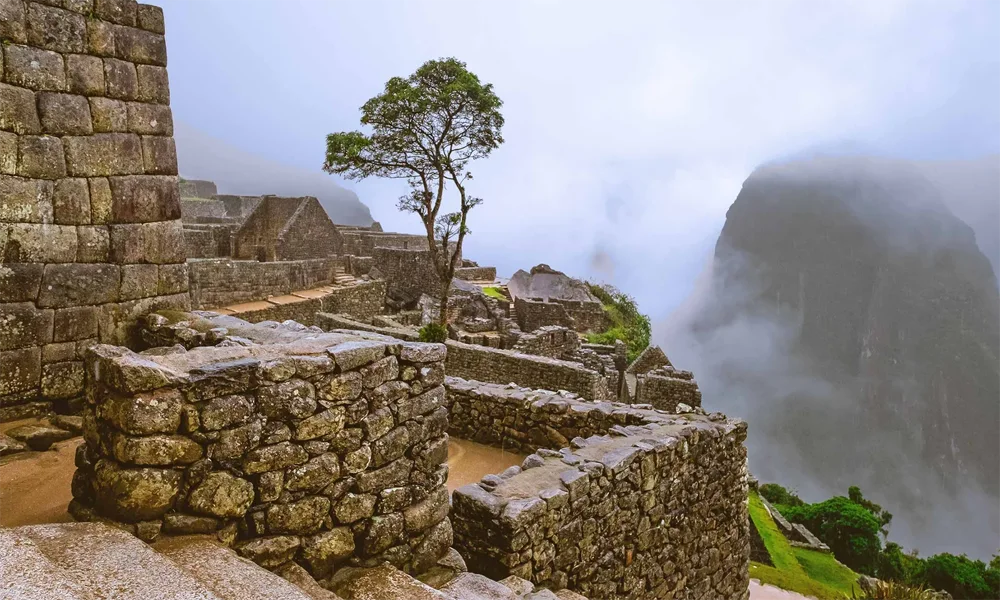
An immersive experience uniting the sacred mountains with the vibrant rainforest of Peru
DESCRIPTION
The 4-day Salkantay Trek is one of the most breathtaking and comprehensive routes to Machu Picchu. Considered by many to be the best alternative to the Inca Trail, this trek combines the vastness of the Vilcabamba mountain range with the ecological diversity of the cloud forest and the warm hospitality of the Andean communities.
During four days of hiking, travelers experience a physical and spiritual transformation. From the agricultural valleys of Mollepata to the heart of the glaciers, from snow-capped passes to tropical forests, this route is a constantly evolving spectacle of landscapes, climates, and sensations.
You will climb to the imposing Abra Salkantay, at more than 4,600 meters, you will see the Humantay Lagoon, you will sleep among mountains, you will cross orchid jungles, and you will walk along the train tracks to the gates of Machu Picchu Pueblo, all in a tour designed for adventurers who love nature, history and the real connection with Pachamama.
ITINERARY
🧭 Itinerary
🌿 Day 1: From Cusco to Soraypampa and the Magical Humantay Lagoon
The first day takes you from the city of Cusco towards the foothills of the Salkantay mountain. After passing through picturesque Andean landscapes and small towns like Mollepata, you arrive at Soraypampa, a vast valley surrounded by mountains that will serve as the base for the first camp. From here, you’ll embark on an acclimatization hike to the spectacular Humantay Lagoon, a turquoise jewel nestled among glaciers.
This ascent, though challenging, rewards you with an absolutely photogenic landscape. The lagoon, with its blue-green color, reflects the Humantay Glacier as if the sky were merging with the earth. Upon returning, the group is welcomed with a hot lunch at the campsite. The rest of the day is free to relax, explore the surroundings, or simply admire the sunset behind the snow-capped mountains. The weather is cool, and the stars shine brightly at night.
Overnight: Camping in Soraypampa (in tents or domes, depending on availability)
🏔️ Day 2: From Soraypampa to the Salkantay Pass and the descent to Chaullay
The second day represents the true physical challenge of the trek, but also one of the most breathtaking. Ascent to the Salkantay Pass begins, the highest point of the entire trek, at 4,630 meters above sea level. The hike is continuous, climbing along a trail that winds its way into the mountain range, surrounded by snow-capped peaks, steep slopes, and an increasingly rugged landscape.
Upon reaching the summit, the views are simply awe-inspiring. From there, you can appreciate in all its splendor Apu Salkantay, a sacred mountain for the Andean peoples that reaches 6,271 meters. It is traditional to pay respect to it with an offering of coca leaves, as a symbol of gratitude to the mountain for allowing us to cross its territory.
After a brief pause, the trail descends through a rocky valley that gradually changes color and vegetation. The snow gives way to moss, the air becomes more humid, and the first trees of the cloud forest begin to appear. After a well-deserved lunch at a midpoint, the trek continues along narrow paths, small streams, and rustic bridges, until reaching Chaullay, an agricultural community where you’ll spend the night camping in the heart of the Andean forest.
Overnight: Camp in Chaullay
🌺 Day 3: Chaullay – Collpapampa – Sahuayaco Beach – Santa Teresa (optional)
The third day immerses you completely in the high jungle, a region teeming with biodiversity and life. The trail winds along shady paths covered in vegetation, accompanied by the songs of tropical birds and the constant murmur of water. You’ll pass through plantations of coffee, bananas, passion fruit, and avocados, cultivated by local communities.
During the hike, you’ll cross the Collpapampa area, known as the “cloud forest zone,” where orchids and butterflies add vibrant color to the trail. Waterfalls appear along the sides of the path as you make your way towards Playa Sahuayaco, a small rural village nestled among the mountains.
After lunch in the lower area, you have two options: you can rest at the campsite or take transportation to Santa Teresa, where you’ll have the opportunity to visit the famous Cocalmayo Hot Springs, a series of natural hot pools in the heart of the forest. This optional stop is perfect for relaxing your muscles after several days of hiking. The day concludes with a group dinner and a restful night’s sleep.
Overnight: Campsite or lodging in Santa Teresa
🚶♂️ Day 4: Santa Teresa – Hydroelectric Plant – Aguas Calientes – Return to Cusco
The final day combines the last hike to Machu Picchu Pueblo with the return to the city of Cusco. From Santa Teresa, you can take transportation or walk to the Hydroelectric Plant area, where a trail begins parallel to the railway line. This final section is completely different from the rest: an easy hike through lush vegetation, natural waterfalls, suspension bridges, and stone tunnels.
The arrival in Aguas Calientes marks the end of the walking tour. Here you’ll have free time for lunch, exploring the town, visiting the artisan market, or simply relaxing at a café. In the late afternoon, you’ll take the tourist train to Ollantaytambo, and from there, a private or shared transfer to Cusco.
After four days of intense connection with nature, history, and Andean culture, you’ll return to the city with a transformative experience in the heart of Peru.
Overnight: Not included (return to Cusco in the evening)
INCLUDES
✅ What does the tour include?
- Pick-up from your hotel in Cusco
We’ll pick you up directly from your accommodation in Cusco’s historic center so you can start your experience worry-free from the very beginning.
- Tourist transportation to the starting point and return to Cusco
Includes ground transportation from Cusco to Soraypampa (the start of the trek) and complete return from Aguas Calientes, with tourist train to Ollantaytambo and tourist bus back to Cusco.
- Professional guide in Spanish and English
Throughout the trek, you’ll have a certified guide, knowledgeable about the route, Inca history, and local ecosystems, who will accompany and guide you every step of the way.
- Full board during the trek
Breakfast, lunch, and dinner are included during the trekking days (except for the last lunch in Aguas Calientes). The menus are energizing, varied, and adaptable to vegetarian or vegan diets upon request.
- Daily snacks for the trail
Each day you will receive healthy snacks such as fruit, nuts, or energy bars to enjoy during the trek.
- Cook and support team on the trail
We have a kitchen team that prepares meals at each campsite, as well as assistants who ensure an organized and safe experience.
- Camping and basic lodging
Includes overnight stays in equipped campsites (Soraypampa and Chaullay) with tents and thermal sleeping mats, as well as basic lodging or camping in Santa Teresa, depending on availability.
- Return tourist train Aguas Calientes – Ollantaytambo
Enjoy a comfortable train ride back after the hike, appreciating the landscapes of the Sacred Valley.
- Bus transportation from Ollantaytambo to Cusco
Upon arrival by train, a tourist bus will be waiting to take you back to Cusco.
NOT INCLUDED
❌ What’s not included?
✘ Entrance to Machu Picchu (optional)
This tour includes access to Aguas Calientes, but does not include entrance to Machu Picchu. If you wish to include a visit to the Inca citadel, it must be added at an additional cost when booking.
✘Sleeping bag
Not included, but you can rent one at the time of booking. We recommend one that can withstand temperatures down to -10°C.
✘Trekking poles
These are not part of the standard equipment. If you wish, you can rent them from us. They are highly recommended for descents and uneven terrain.
✘Hot showers at campsites
Camps in high-altitude areas do not have showers. In Santa Teresa, basic services may be available depending on your chosen accommodation.
✘Access to Cocalmayo Hot Springs
The visit is optional, and the entrance fee is not included. Payment is made directly at the site for those who wish to relax in the hot springs.
✘Lunch on the last day in Aguas Calientes
After arriving in town, you will have free time for lunch on your own before the return trip to Cusco.
✘Tips for the guide, cook, and staff
Tips are not mandatory but are appreciated by the staff. If you wish to acknowledge their efforts, you can leave a voluntary tip.
✘Travel and/or health insurance
Not included, but it is recommended to have insurance that covers outdoor activities, high-altitude evacuation, and medical attention in case of accidents.
✘Additional snacks or drinks
Although full board is included, any alcoholic beverages or additional snacks are at the traveler’s expense.
RECOMMENDATIONS
🌟 Recommendations
➡️Acclimate before starting
Since you will reach altitudes above 4,600 meters, we recommend spending at least 2 days in Cusco before the trek. This will allow your body to gradually adapt to the altitude and reduce the risk of altitude sickness (soroche).
➡️Prepare your body with prior hiking
This trek is physically demanding, especially on the second day. If you do hiking or resistance training a few weeks before the trip, your experience will be more manageable and much more enjoyable.
➡️Pack clothing for changing weather
The route crosses from cold and windy areas to tropical and humid climates. It is best to dress in layers: thermal, waterproof, lightweight and breathable clothing, as well as a hat, gloves, and a rain poncho.
➡️Choose the right footwear
Your trekking boots should be waterproof, have good grip, and have been broken in before. Avoid wearing new shoes on the hike, as you could get blisters or chafing.
➡️Pack only the essentials
Take only the essentials for the 4 days: a light backpack with a change of clothes, toiletries, a water bottle, a headlamp, sunscreen, insect repellent, and toilet paper. You can leave your main luggage at your hotel in Cusco.
➡️Stay hydrated and eat well
Drinking enough water throughout the day is essential for performance and acclimatization. Take advantage of the included meals to replenish your energy and don’t forget your personal snacks for the longer stretches.
➡️Carry cash in soles
There are no ATMs along the trail, and some rural areas only accept cash. You’ll need it to buy water, snacks, or give tips if you wish.
➡️Respect the mountain and its spirituality
Snow-capped Salkantay is considered an Apu, a sacred mountain for Andean communities. Walk with respect, don’t leave trash, and honor the natural environment as part of the experience.
FAQs
❓ Frequently Asked Questions
What is the best time to do the Salkantay Trek?
The best time is between April and October, during the dry season, when the skies are clear and the trails are in good condition. During the rainy season (November to March), the landscape is greener, but there may be fog, mud, and more challenging conditions.
How difficult is this trek?
It is a moderate to challenging trek. The second day, when you cross the Salkantay Pass, is the most challenging, but with good acclimatization and a steady pace, it is achievable for anyone in good physical condition.
Do I need prior hiking experience?
No prior experience is required, but it is recommended that you have done long hikes before and are in good physical condition. The guide will help you maintain a safe and steady pace.
Does the tour include the entrance to Machu Picchu?
No. This tour does not include a visit to Machu Picchu. However, it can be added as an extra if you wish to end your experience with a visit to the Inca citadel. Advance booking is recommended.
Where do we sleep during the trek?
The first two nights are spent in well-equipped campsites (tents or domes, depending on availability). The third night may be spent camping or in basic accommodation in Santa Teresa. All options are safe and clean.
Can I take a shower during the tour?
There are no showers available in Soraypampa and Chaullay. In Santa Teresa, depending on the accommodation, there may be access to showers with cold or lukewarm water. Bringing wet wipes is a good alternative for personal hygiene.
Is travel insurance mandatory?
It’s not mandatory, but highly recommended. Insurance that covers outdoor activities, medical care, and high-altitude evacuations will provide you with greater peace of mind in case of any eventuality.
Can I rent a sleeping bag and trekking poles?
Yes. You can rent a sleeping bag and trekking poles from us when you book. These are very useful accessories to ensure a more comfortable experience, especially on cold nights or steep descents.
Can I leave my luggage in Cusco?
Yes. You can leave your main luggage at your hotel in Cusco or with our agency. You’ll only need to carry what you need for the 4 days of the trek.
What options do I have when I arrive in Aguas Calientes?
You’ll have free time for lunch, to buy souvenirs, or to relax in local cafes. If you wish to visit Machu Picchu the following day, you can stay an extra night (at your own expense) and add the entrance fee to the archaeological site as an add-on.