

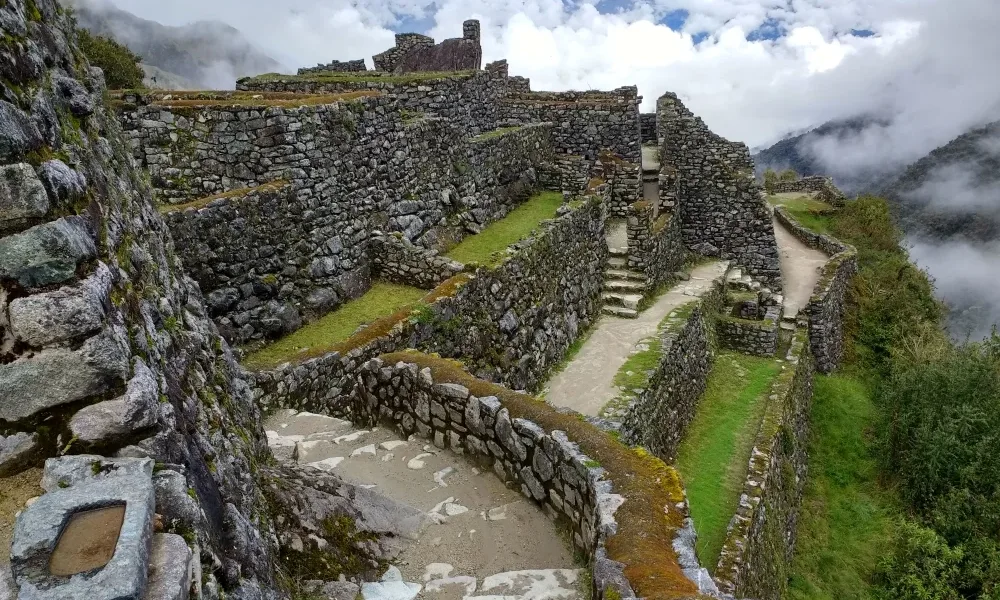
An epic journey through sacred mountains and the rainforest culminating in the wonder of the world: Machu Picchu
DESCRIPTION
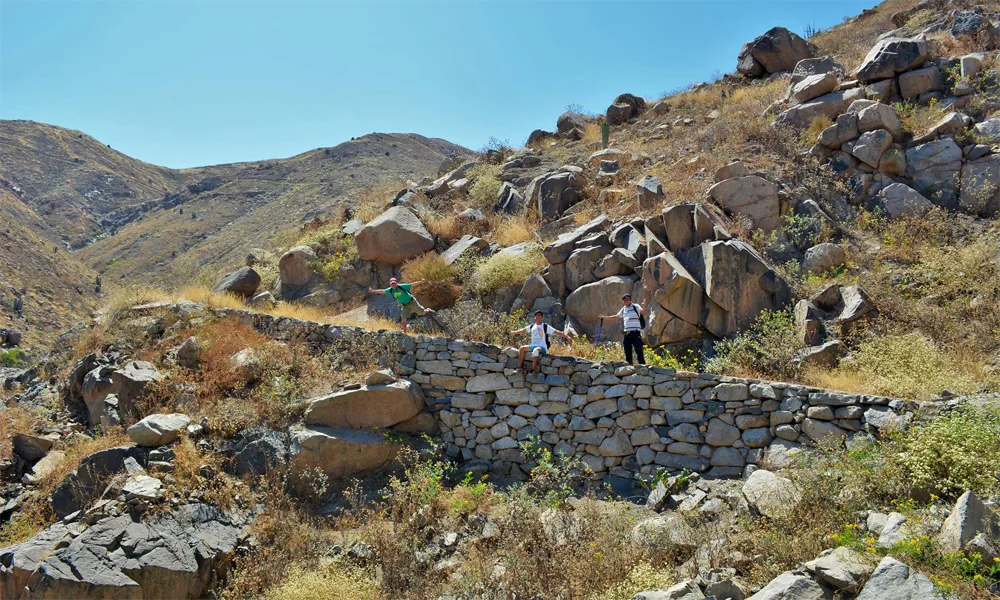
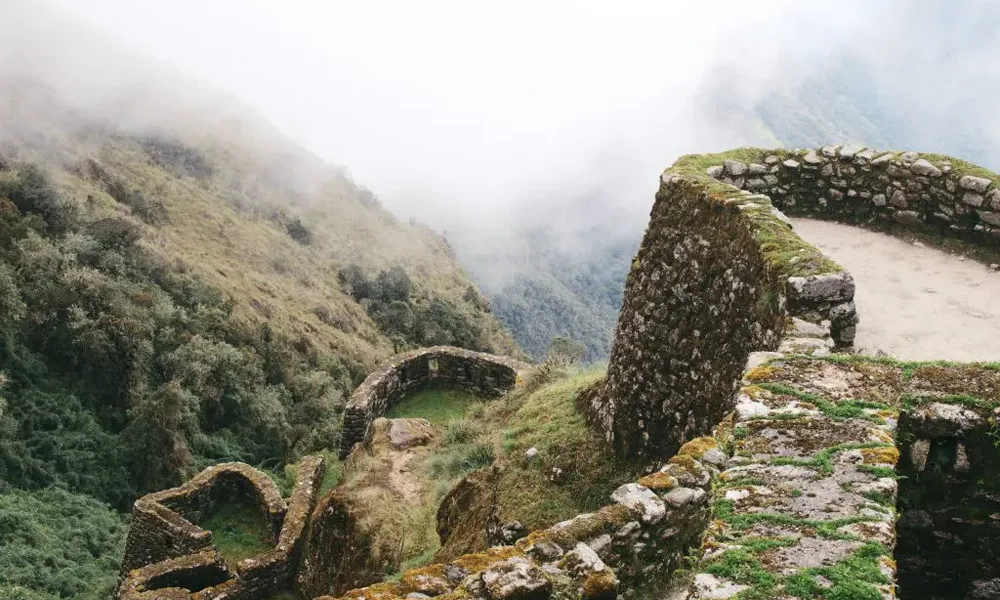
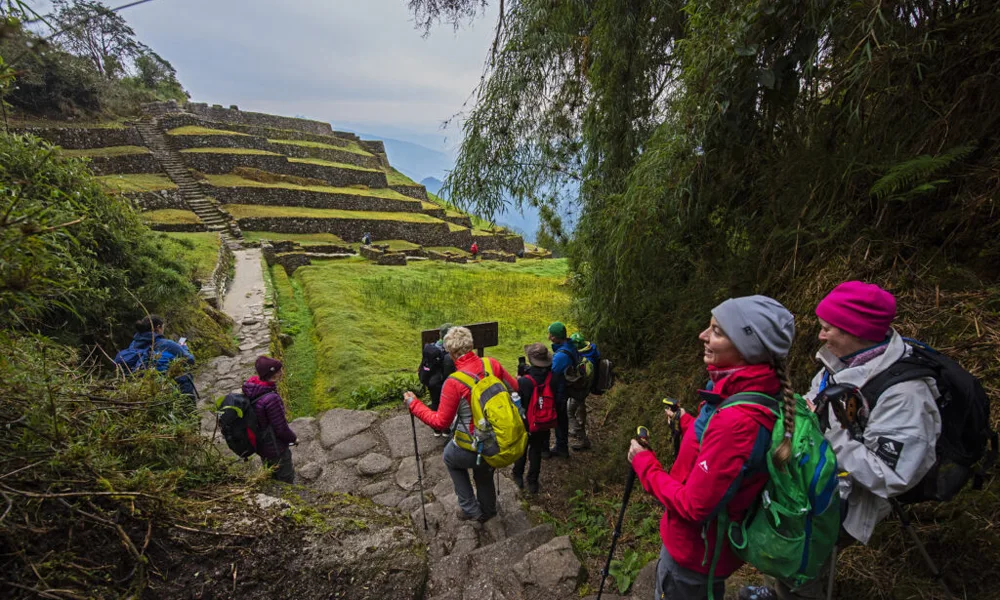
The 5-day/4-night Salkantay Trek is much more than a trip to Machu Picchu: it’s a transformative journey, a connection with nature, and a path of self-discovery. Considered one of the most beautiful and diverse treks on the continent, this route combines majestic mountain landscapes with lush rainforest, glacial lakes, ancient trails, Andean communities, and the mysticism of the Inca culture.
From the heights of the Salkantay snow-capped mountain to the warm hot springs of Santa Teresa, passing by mountain rivers, coffee plantations, wild orchids, and natural tunnels, each day offers a different panorama. The trek not only challenges the body but also enriches the soul with ancestral stories, Andean rituals, and the energy of the Apus (mountain spirits). This experience culminates in the entrance to the mythical citadel of Machu Picchu, where an unforgettable journey is crowned.
ITINERARY
🧭 Itinerary
🏔️ Day 1: Cusco – Mollepata – Soraypampa – Humantay Lagoon
The adventure begins in the Andean highlands, traversing rural and mountainous landscapes until reaching Mollepata, where a brief stop is made for supplies. From there, the ascent continues along a scenic stretch to Soraypampa, the starting point of the trek and the site of the first camp, facing the imposing Vilcabamba mountain range.
Once in Soraypampa, an acclimatization hike leads to the breathtaking Humantay Lagoon, a glacial lake of intense turquoise water, located at the foot of the snow-capped mountain of the same name. This sacred place for the Andean peoples invites contemplation and respect for nature. The rest of the day is dedicated to rest, acclimatization to the altitude, and preparation for the most demanding day of the route.
⛰️ Day 2: Soraypampa – Salkantay Pass – Huayracmachay – Chaullay
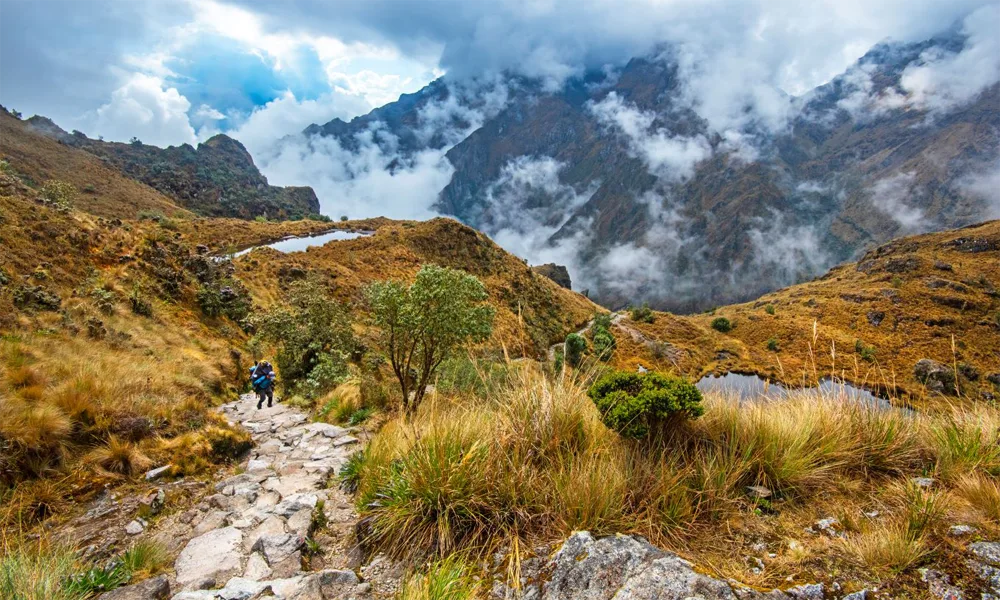
This day presents the most demanding challenge of the trek, but also the most epic. The trail ascends a steady slope until reaching Salkantay Pass, the highest point of the route at 4,630 meters (15,000 feet). During the ascent, the terrain gradually changes: from Andean grasslands to rock formations and glaciers surrounding the snow-capped Salkantay mountain, considered an Apu, or protective spirit.
From the summit, the panoramic views are breathtaking. Surrounded by snow-capped mountains, deep valleys, and open skies, the air feels pure and sacred. After the pass, a long descent begins towards Huayracmachay, where the landscape starts to transform. Vegetation becomes more abundant, the gray tones give way to green, and the temperature begins to rise.
The final stretch of the day crosses a transitional ecosystem that connects the high plateau with the high jungle. The trail leads to Chaullay, a place surrounded by tropical vegetation where you can camp among trees, streams, and the songs of mountain birds.
🌿 Day 3: Chaullay – Collpapampa – Sahuayaco Beach – Santa Teresa
On this day, the environment changes completely. The hike crosses the cloud forest, an ecological corridor teeming with life. The trail follows the course of a crystal-clear river, passing rustic bridges, hidden waterfalls, and sections where the vegetation forms verdant tunnels. Along the way, you’ll see plantations of coffee, bananas, avocados, and passion fruit, indicating the presence of local farming communities.
After passing through Collpapampa, the trail continues amidst multicolored butterflies, wild orchids, and crops grown on natural terraces, until reaching Sahuayaco Beach, a small, warm valley ideal for relaxing.
From here, you can optionally take local transport to the town of Santa Teresa, where you can enjoy a relaxing soak in the famous Cocalmayo Hot Springs, surrounded by nature and with a privileged view of the Vilcanota Canyon. The day concludes with a group dinner and rest at a campsite or basic accommodation.
🌴 Day 4: Santa Teresa – Hydroelectric Plant – Aguas Calientes
The day begins with an optional transfer or hike to Hydroelectric Plant, the connection point to the railway line that runs alongside the Urubamba River. This final leg of the hike follows the train tracks on a flat but enchanting path. Along the 10 kilometers, you’ll cross suspension bridges, hidden waterfalls, natural tunnels, and walls covered in moss and ferns.
The arrival in Aguas Calientes (also known as Machu Picchu Pueblo) marks the end of the trek and the beginning of the excitement of visiting the Inca wonder. The rest of the day is free: you can explore the artisan market, visit the local hot springs, or simply relax in a café with a mountain view. In the evening, the guide will give an informative talk to prepare for the following day’s visit to Machu Picchu.
🏛️ Day 5: Machu Picchu – Return to Cusco
The last day of the expedition is also the most anticipated. You will ascend to the mystical citadel of Machu Picchu, either on foot or by tourist bus. Upon entering, you will enjoy a guided tour of the main areas of the archaeological complex, including ceremonial temples, irrigation canals, the Sacred Plaza, the Temple of the Sun, the Inca’s House, and the famous Intihuatana.
After the tour, you will have free time to explore on your own or, if booked in advance, to climb Huayna Picchu or Machu Picchu Mountain, from where you will be rewarded with privileged views of the citadel and the surrounding natural landscape.
At the end, you descend again to Aguas Calientes, have lunch on your own, and board the train back to Ollantaytambo, followed by land transport to Cusco, where this unique adventure through the heart of the Andes concludes.
INCLUDES
✅ What’s Included in the Tour?
- Hotel Pickup in Cusco
We begin the adventure directly from your accommodation in the historic center. We’ll pick you up so you can start the trek stress-free and in complete comfort.
- Round-Trip Tourist Transportation
Includes transportation from Cusco to the trekking starting point in Soraypampa, as well as the complete return trip: tourist train from Aguas Calientes to Ollantaytambo and tourist bus transportation back to Cusco.
- Professional Guide Throughout the Route
An expert and certified guide will accompany you every step of the way, sharing with you the history, geography, flora, fauna, and Andean worldview along the route.
- Full Meal Plan During the Trek
Includes nutritious and varied breakfasts, lunches, and dinners for the first four days. All meals are prepared by mountain cooks. Vegetarian, vegan, or special options are also available upon request.
- Daily snacks for the trek
Each morning you will receive a small snack pack with fruit, nuts, or energy bars to keep you energized during the trek.
- Cook and support team
We have a kitchen team, assistants, and muleteers who are in charge of setting up camp, preparing food, and transporting logistical equipment.
- Camping and lodging
During the trek, you will sleep 3 nights in campsites (Soraypampa, Chaullay, and Santa Teresa) and 1 night in a tourist hotel in Aguas Calientes. The campsites include tents, thermal mats, and common areas.
- Official Guide at Machu Picchu
A professional guide will accompany you inside the archaeological site for an enriching 2-3 hour visit, exploring its history, architecture, and spirituality.
- Tourist Train Aguas Calientes – Ollantaytambo
Enjoy the return train journey with views of the river and mountains of the Sacred Valley, in comfortable carriages with tourist service.
NOT INCLUDED
❌ What’s not included?
- Sleeping bag
Not included, but you can rent one from us at the time of booking. We recommend one that can withstand sub-zero temperatures for nights at high altitude.
- Trekking poles
Not included, but highly recommended to protect your knees on descents. You can rent them before the tour begins.
- Entrance to Huayna Picchu or Machu Picchu Mountain
These special entrances are not included. You must request them at the time of booking, as spaces are limited and sell out quickly.
- Lunch on the last day in Aguas Calientes
After visiting Machu Picchu, you will have free time for lunch in town. This meal is at the passenger’s expense.
- Entrance to the Santa Teresa or Aguas Calientes Hot Springs
Access to the hot springs is optional, and the cost must be paid directly at the site if you decide to visit them.
- Tips for the trekking team
Tips are not mandatory, but they are a traditional and voluntary way to thank the guide, cook, and assistants who accompany you on the trek.
- Travel or health insurance
The tour does not include medical or travel insurance. It is recommended to purchase insurance that covers mountain activities, evacuation, and high-altitude assistance.
- Additional drinks, extra snacks and personal expenses
Alcoholic beverages, soft drinks, snacks purchased along the way, souvenirs or any other expenses not explicitly mentioned are the responsibility of the traveler.
RECOMMENDATIONS
🌟 Recommendations
➡️Acclimate before the trek
We recommend spending at least two days in Cusco before starting the trek. This will help you adapt to the altitude and prevent altitude sickness, especially since the highest point of the tour is reached on the second day at 4,630 meters above sea level.
➡️Bring appropriate clothing for various climates
During the trek, you will cross cold high-altitude areas and warm jungle regions. It is important to dress in layers: bring thermal clothing, a waterproof jacket, a windbreaker, a hat, gloves, a long-sleeved shirt, lightweight pants, a rain poncho, and sturdy, waterproof footwear.
➡️Wear comfortable, broken-in trekking boots
Don’t wear new shoes during the trek. Ideally, you should have waterproof trekking boots with non-slip soles that are already broken in to avoid blisters and discomfort.
➡️Pack only the essentials
Take a small daypack with the essentials: reusable water bottle, sunscreen, toilet paper, insect repellent, snacks, hat, and sunglasses. The rest of your luggage (max. 7 kg) will be transported by the logistics team.
➡️Bring some cash (soles)
Along the way, you may need to buy snacks, drinks, use restrooms, or participate in optional activities such as visiting the hot springs. There are no ATMs along the route, so carry small bills.
➡️Respect nature and local cultures
Salkantay is a sacred mountain for the Andean people. Be respectful of the environment, do not leave trash, do not damage plants, and respect the local communities you will encounter along the way.
FAQs
❓ Frequently Asked Questions
What is the best time to do the Salkantay Trek?
The best time is from April to October, during the dry season in the Andes. During these months, the weather is more stable, with sunny days and cool nights. From November to March is the rainy season, with higher humidity and slippery trails.
How difficult is the trek?
The Salkantay Trek is moderate to challenging. The second day is the most demanding due to the ascent to Abra Salkantay (4,630 m), but the rest of the trek is more manageable. It is ideal for people in good physical condition with basic experience in long hikes.
Do I need prior trekking experience?
It’s not essential, but a reasonable level of fitness is recommended. If you can hike for 5 to 8 hours a day, including ascents and descents, you’ll be ready. A pre-trek hike or some cardiovascular exercise can help you arrive in better shape.
Will we sleep in tents or hotels?
For the first three nights, you’ll sleep in equipped campsites, either in double tents or eco-domes (depending on availability). The last night will be spent in a tourist hotel in Aguas Calientes, with a private bathroom and a comfortable bed.
Does the tour include entrance to Machu Picchu?
Yes, the package includes official entrance to Machu Picchu and a guided tour of the most important areas. If you wish to climb Huayna Picchu or Machu Picchu Mountain, you must request this when booking and pay an additional fee.
Can I bring all my luggage?
During the trek, your main backpack must not exceed 7 kg (15 lbs), which will be carried by horses. You’ll only need a small backpack with your belongings for the day. Any remaining luggage can be left at your hotel in Cusco or at our office.
Are showers available during the trek?
There are no showers at the Soraypampa and Chaullay campsites. In Santa Teresa (day 3), you may have access to showers with cold or lukewarm water, depending on the accommodation. We recommend bringing wet wipes for personal hygiene.
Is there access to electricity during the tour?
Only at certain points. You can charge your devices in Aguas Calientes and possibly in Santa Teresa. There is no electricity for the first few days, so it’s helpful to bring a power bank.